

Our Story
By Founder Alan James Edwards

Before my career in digital media technology, I got my start as an actor, writer, and a sketch comedian in NYC. I made films and then TV commercials. It was expensive to make your own movies or put comedy shows up and tape them. And it took a lot of time.
I loved to entertain people by showing them clips of great movies and comedians. I found that finding work that was already out there and showing it to my friends was another way to entertain, quickly, and without the production cost.
With Youtube, Facebook, Instagram, Twitter, etc; I had to save playlists separately in each account. I would forget where I saved each video and I would have to google to find it. Sometimes I found the right one and sometimes I didn’t. It was a drag and not a lot of fun. Also, these playlists were located deep in the platforms, hard to find and share, and not presented in a personalized way. I began building video link saving and embedding tools at this time to help people build video playlists that helped them more easily collect videos they like from around the web.
Then I became obsessed with the iPhone video capabilities. Stabilizers and other features allowed me to make film quality videos that normally would require thousands of dollars of equipment to create. Videos started to collect on my phone and filling up space. The clips just were a mess on my phone. I wasn’t interested in putting my video musings on Youtube. I did want to show them to close friends and family though. I used iCloud but that didn’t give me a a good way to let others stream them without forcing them to save the file on their drive as well. And if they didn’t use Apple, forget about it.
Like many people, I also became disillusioned with the pressure of social media, and the data collection and privacy issues surrounding current media services. When social media first started everything seemed fine. Share stuff with your friends right? But the big misunderstanding was that people were giving their content, and their data, to these companies to exploit as they saw fit. The terms of service states this clearly that when you upload anything to these platforms either they outright own your stuff or you give them a perpetual license to do whatever they want with it. For me, my content was more of a personal experience, like mixtapes I made for my friends, and not a thing that I needed the world to comment on and criticize. If I had a video that I really wanted strangers to see and wasn’t important to protect as far as copyrights, I could put that on a social media platform, but most of my videos really were for my enjoyment or to show a few people I knew.
Then the hearings started, and the law suits, and the general discontent and negative impact on users become more clear. Apple put the brakes on tracking you across apps and websites. Social media was losing its way. That’s when I realized personal media, not social media, was the future of content sharing. The concept of personal media is linked to the notion of ‘control’ by an individual as opposed to a centralized authority. We just didn’t realize that when we gave our content to these companies, they were the authority, not us.
Personal media cloud platforms like Dropbox and Google Drive kind of did this job, but they offered boring file and folder trees, not the fun streaming interfaces people are used to with social. At least they didn’t own your content. So I thought, why not create a secure cloud platform where anyone could store their media securely and easily share and stream it with whomever they like in a fun and entertaining way? And they would own their content, be in full control who sees it, and it wouldn’t be reliant on advertising so it wasn’t so thirsty for eyeballs and data to exploit? What if they could even charge subscriptions for access to their content and make money without millions of views?
The platform is called CLIPKICK. It has the media link an embedding features in addition to secure media file storage, streaming, and sharing, giving people a true personal medial library. As users started coming on I was elated to find that people, like me, loved to put together media collections and share them with others.
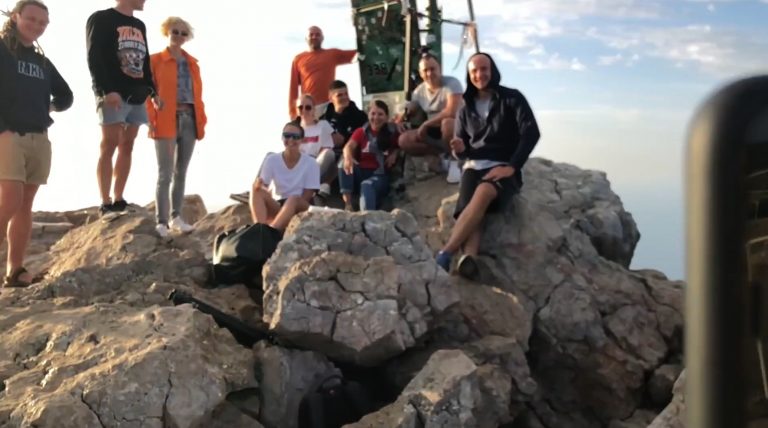
I became increasingly impressed by the creativity people were showing with every new playlist shared with me.I started calling the playlists “Lineups.” (like a “Thursday night lineup” on TV). People made media lineups on all sorts of topics: cooking, comedy, music, late-night talk shows, inspiration, politics, sports; the list goes on. Some lineups were very specific, like how to fold laundry, or weave scarfs. I even some DJs started saving their private mixes and sharing them with their VIPs. They like the interface because you can autoplay any sound file, but they keep the rights and files are secured with encrypted headers. Overall I was surprised at the number of clips saved. Some people were actually saving THOUSANDS of clips.
Many of the users that shared playlists with me were full time content creators, but some users were people that didn’t have creative endeavors at all. Lawyers, doctors, bartenders, fitness trainers, these people would not be considered “creative,” but clearly, they were finding a way to become creative through the curation process in the app and shooting videos on their phone. And the because of the freedom they felt by being relieved of the social media pressure, they began to shoot and upload more and more videos. Their collections they share with me are amazing.
I used to think that only a small percentage of people in the world were actually creative. I thought that if you didn’t write, make movies, play music, or paint then you weren’t a creative person. Only the elite could “Think different.” Now I know everyone can be creative. Everyone has a vision. They just need the right tools and a safe and secure environment to help them do it.