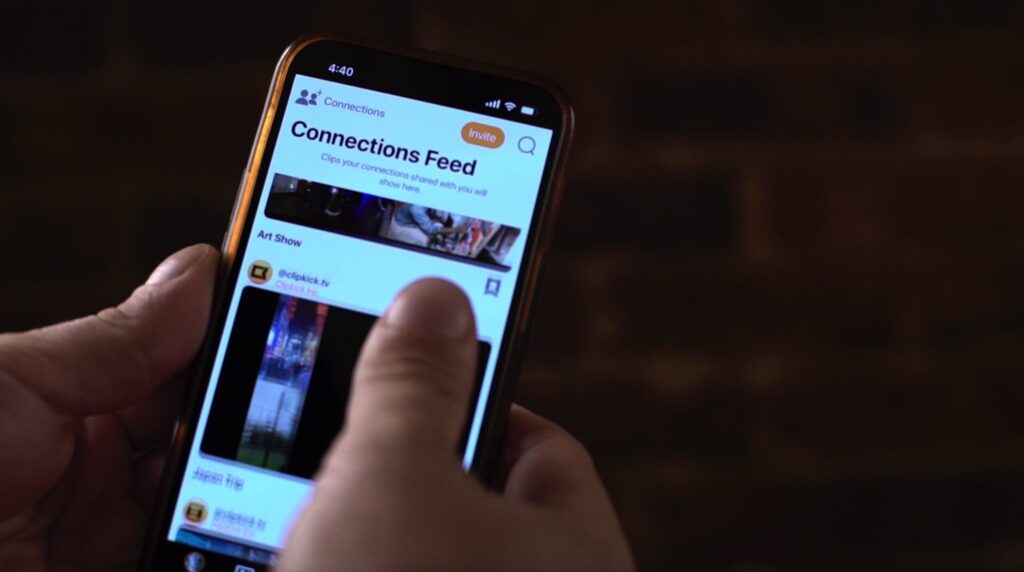




The music industry has evolved rapidly, and platforms for selling and sharing music have become essential tools for artists. Whether you’re a producer selling beats, an indie artist uploading your first album, or a seasoned musician building a fanbase, the right platform can make all the difference.
One of the biggest shifts in the coming year is the growing trend of subscription-based music monetization. Selling subscriptions, as opposed to one-off song or album purchases, is becoming a preferred model for both creators and fans. Subscriptions offer artists the advantage of recurring monthly revenue and the ability to build a loyal fan base through regular engagement and exclusive content. For fans, subscriptions provide access to behind-the-scenes content, early releases, or a deeper connection with their favorite artists. Platforms that embrace this model are well-positioned to help artists succeed in 2025.
Here we summarize the top platforms and how they perform—not just on the surface, but in terms of security, streaming quality, playlist functionality, and overall user experience. While each service has its strengths, some are adapting the subscription trend better than others, and some truly stand out.
Here’s our breakdown of the best platforms to sell music in 2025:
Bandcamp has been a cornerstone of indie music for years, and for good reason. Its user-friendly interface caters to both artists and fans, creating an experience that feels refreshingly direct and personal. Uploading music is straightforward, and the platform automatically converts audio files into multiple download formats like MP3, WAV, and FLAC. Fans can choose their preferred format, which is a nice touch for audiophiles, but Bandcamp does not have traditional playlist features. Fans can purchase albums or individual tracks, but there’s no way to create or share playlists directly within the platform.
From a buyer’s perspective, Bandcamp allows for flexible pricing, including a pay-what-you-want option that supports tipping. However, Bandcamp still relies heavily on one-off sales of songs, albums, or merchandise. While it has tools for offering memberships, its subscription options are limited compared to other platforms.
Pros:
- Flexible pricing and tipping.
- High-quality audio options for fans.
- Easy merch and physical album integration.
Cons:
- Weak security measures against file sharing.
- Limited discovery features; artists must promote themselves.
- Subscriptions require external tools and are not core to the platform.
Subscription Options: Limited. Bandcamp offers a Fan Subscription feature, but it lacks robust tools for creating recurring revenue models.
Security and Piracy Risk: High. Files are not protected beyond the initial download.
Streaming Experience: Decent. Fans can stream tracks from the site or app, but Bandcamp is primarily focused on downloads.
Playlists: No. Bandcamp does not have traditional playlist features. Fans can purchase albums or individual tracks, but there’s no way to create or share playlists directly within the platform.
File Versatility: Excellent. Supports MP3, WAV, FLAC, AIFF, and more.
Chat Features: No. Bandcamp does not include chat tools. Interaction is limited to purchase-related communication or email collection.
SoundCloud is one of the most recognized platforms for sharing and discovering music. Its strength lies in its open, community-driven model, which allows artists to upload tracks and reach fans around the world. The platform supports the most common audio formats, and its mobile apps provide a seamless streaming experience.
SoundCloud supports playlist creation for both creators and fans. Artists can group their tracks into playlists (e.g., albums or themed collections), and fans can create custom playlists for personal use or sharing.
SoundCloud Go+ offers a subscription option for fans, enabling offline downloads and ad-free listening, but its creator subscription options are more limited. Monetization programs like SoundCloud Premier and Repost by SoundCloud allow artists to earn from streams, but the payouts are often lower than on platforms with direct subscription revenue.
Pros:
- Massive user base for music discovery.
- Supports high-quality streaming on desktop and mobile apps.
- Offers monetization through programs like SoundCloud Premier.
Cons:
- High piracy risk due to open sharing model.
- Monetization and subscription tools are not as robust as other platforms.
- Lower payouts compared to direct sales platforms.
Subscription Options: Limited. SoundCloud offers listener subscriptions (SoundCloud Go+) but lacks strong creator-focused subscription tools.
Security and Piracy Risk: High. Tracks are easy to rip or share without authorization.
Streaming Experience: Excellent. Fans enjoy a smooth, mobile-friendly experience with personalized recommendations.
Playlists: Yes. SoundCloud supports playlist creation for both creators and fans.
File Versatility: Good. Supports most common audio formats, including MP3 and WAV.
Chat Features: No. SoundCloud does not provide chat functionality.
Clipkick sets itself apart as a platform that is creator focused and prioritizes security, versatility, and monetization options. Subscriptions are at the core of Clipkick’s value, allowing artists to create recurring revenue through fan memberships. This includes offering exclusive content, early access to new music, and direct interaction with fans through the platform’s built-in chat features.
Clipkick’s encrypted cloud storage ensures files are protected, and fans enjoy a seamless streaming experience. This is possible because all file types are transcoded into a high quality streaming format while the original files are stored in the cloud for download later.
Clipkick’s interface is polished and highly secure, with a Spotify-like design for fans to stream through playlists called “Lineups.” The order of the lineups can be adjusted creating albums that can autoplay, even in the background while using other apps, making it convenient for listening on any occasion.
Beyond subscriptions, Clipkick supports other monetization options like tipping, paywalls to sell individual songs or digital products, and even affiliate marketing to grow your audience.
Pros:
- Encrypted file storage and streaming protects against piracy.
- Wide support for multimedia, including audio, video, and documents.
- Multiple monetization options, including subscriptions, paywalls, and tips.
- Fans enjoy a polished streaming experience on desktop and mobile apps.
- Includes private and group chat functionality.
Cons:
- Artists must handle their own promotion due to limited discovery tools.
- Invitation-only model increases security but could slow adoption.
Subscription Options: Yes. Subscriptions are a core feature, enabling recurring revenue and fan engagement.
Security and Piracy Risk: Low. Industry-leading encryption and access controls provide robust protection, and creators retain full ownership of their content.
Streaming Experience: Excellent. Fans can stream music through a user-friendly interface comparable to Spotify.
Playlists:Yes. Clipkick allows artists and fans to create playlists called “lineups,” which can autoplay in a Spotify-like interface. This feature enhances the user experience by enabling seamless streaming of curated content.
File Versatility: Outstanding. Supports over 100 file types. Clipkick transcodes files to a high-quality streaming format for playback while saving the original for to download later in cloud storage.
Chat Features: Yes. Clipkick offers private and group chat features for fan engagement and collaborations.

BeatStars is a specialized marketplace designed for producers and beatmakers. It excels in its niche, offering tools for licensing music that are second to none. Users can upload MP3, WAV, or even STEM files (separated audio tracks), and buyers can preview and purchase directly through the platform.
BeatStars is dedicated to selling and licensing beats, so it does not offer playlist functionality. Instead, tracks are available for individual preview and purchase.
Pros:
- Robust licensing options for music and beats.
- Instant file delivery after purchase.
- Niche focus on production tools and collaboration.
Cons:
- Limited appeal for traditional musicians.
- Moderate security; files are vulnerable post-download.
- Discovery is limited to its niche audience.
Subscription Options: Yes. Producers can offer subscriptions for exclusive access to beats and other content.
Security and Piracy Risk: Moderate. Files are secure pre-purchase but not post-download.
Streaming Experience: Minimal. BeatStars is built for licensing and sales, not streaming.
Playlists: No. BeatStars focuses on selling and licensing beats, so playlist functionality is not available. Tracks can be previewed and purchased individually.
File Versatility: Good. Supports MP3, WAV, and STEM files.
Chat Features: Yes. BeatStars includes messaging tools for direct communication with buyers and collaborators.
While BeatStars primarily focuses on one-off sales of beats and licenses, it does offer subscription options. Producers can create monthly subscription plans that give buyers access to exclusive beats or other perks, providing an additional layer of monetization.

Patreon is a platform for building relationships with superfans rather than a traditional sales or streaming service. Its entire model revolves around subscriptions, allowing artists to offer tiered memberships for exclusive content, early access, and other perks. Patreon is ideal for creators who want to generate consistent, recurring revenue and deepen fan engagement.
Pros:
- Predictable, recurring revenue through subscriptions.
- Flexible content options, including audio, video, and more.
- Builds strong, long-term fan relationships.
Cons:
- Weak file security; content can be easily shared.
- Requires an existing fanbase to succeed.
- Not designed specifically for music.
Subscription Options: Yes. Subscriptions are the foundation of Patreon’s model.
Security and Piracy Risk: High. Files are unprotected once downloaded.
Streaming Experience: Limited. Not optimized for music streaming.
Playlists: No. Patreon lacks playlist functionality, as it is primarily a platform for offering exclusive content and subscriptions. Content is organized by posts, not by playlists.
File Versatility: Good. Supports audio, video, and other common formats.
Chat Features: Limited. Patreon allows creators to send direct messages and receive comments, but it lacks real-time chat features.

DistroKid simplifies the process of getting music onto major streaming platforms like Spotify, Apple Music, and Tidal. It’s a no-frills service that does its job quickly and efficiently. Artists upload their music, and within days it’s live worldwide. For fans, this means accessing music where they already listen.
DistroKid does not offer direct subscription features for artists. While it distributes your music to platforms that may allow subscriptions (like Patreon or Bandcamp), it does not support subscription models natively.
Pros:
- Affordable flat-rate pricing for unlimited uploads.
- Quick, global distribution to all major streaming platforms.
- Artists keep 100% of royalties.
Cons:
- No tools for direct sales or fan interaction.
- Relies heavily on low-paying streaming royalties.
- High piracy risk on third-party platforms.
Subscription Options: No. DistroKid focuses solely on distribution and does not support subscriptions.
Security and Piracy Risk: High. Streaming platforms don’t offer strong anti-piracy measures.
Streaming Experience: Excellent for fans on major platforms, but DistroKid doesn’t provide its own streaming service.
Playlists: No. DistroKid is focused on distribution and does not provide playlist features. However, it distributes music to platforms like Spotify, where playlists are available
File Versatility: Limited. Primarily supports MP3 and WAV files.
Chat Features: No. DistroKid does not include chat features.
While the platform supports multimedia content, its security is weak. Files shared with patrons can be easily leaked or redistributed without permission.
Patreon’s interface is flexible and creator-focused, allowing artists to easily create tiered memberships, post exclusive content, and track subscriber engagement, however, Patreon lacks playlist functionality. The feed-like layout is organized by posts, not by playlists, which makes it difficult to enjoy music as users are required to click through posts to access different songs.

Audiomack is a fast-growing platform known for its focus on music discovery and its ability to help artists reach younger, trend-driven audiences. It’s particularly popular for genres like hip-hop, R&B, and Afrobeats, making it a go-to platform for creators in these spaces. Unlike platforms like DistroKid, Audiomack allows direct streaming, giving artists an opportunity to interact with their audience and grow organically.
The platform also offers monetization through its Audiomack Monetization Program (AMP), where artists can earn revenue from streams. While it doesn’t have a subscription model for creators like Patreon or Clipkick, its Audiomack Premium for listeners provides a subscription-based, ad-free experience with offline listening, but artists cannot create subscription plans directly.
Pros:
- Strong music discovery tools to grow your fanbase.
- Monetization options through AMP.
- Ad-free streaming and offline listening for fans via Premium subscriptions.
Cons:
- Limited direct monetization options for creators compared to Clipkick or Patreon.
- Piracy risks due to open streaming access.
Subscription Options: Indirect. Audiomack Premium allows fans to subscribe for an enhanced listening experience, but artists cannot create subscription plans directly.
Security and Piracy Risk: Moderate. Tracks are accessible via streaming, increasing the risk of unauthorized sharing or ripping.
Streaming Experience: Excellent. Audiomack offers smooth streaming with strong mobile apps and curated playlists for fans.
Playlists: Yes. Audiomack features playlists prominently, with curated options like trending tracks and genre-specific collections. Fans can create their own playlists, and artists can organize their music into albums or thematic playlists.
File Versatility: Good. Supports common formats like MP3 and WAV.
Chat Features: No. Audiomack does not provide built-in chat features.
Conclusion
Each platform has its merits, but with the rise of subscription-based monetization, platforms that prioritize recurring revenue and fan engagement are shaping the future of the music industry. Clipkick and Patreon lead the pack in terms of subscription options, with Clipkick offering superior security, versatility, and streaming tools for artists who want complete control over their music.
While Bandcamp and BeatStars cater well to niche audiences, they only dabble in subscriptions and remain focused on one-off sales. DistroKid excels in global streaming but entirely lacks native subscription tools. SoundCloud, with its massive audience and strong streaming experience, offers some subscription potential for fans but falls short with its limited creator-focused monetization options. Audiomack is a rising player, providing excellent discovery tools and monetization through streams, but its indirect subscription model is less tailored to creators.
For creators looking to embrace the subscription trend in 2025, Clipkick offers the most comprehensive and secure solution for building a loyal, paying fanbase.